
Rose Hulman Course Catalog
Rose Hulman Course Catalog - Me422 intro to finite element fundamentals; Characteristics of transportation modes, interactions between modes, and mode interfaces; Techniques of transportation system planning, design, and operation, with an emphasis o. Study of transportation functions and transportation systems; Em121 statics and mechanics of materials i; Quantum theory is introduced in relation to chemical applications. Applications of the principles of conservation of mass and energy to reactive and transient systems will also be addressed. Topics include stoichiometry, nomenclature, phases, and writing balanced chemical equations. All students must take a minimum of nine courses (36 credits) in humanities, social sciences, and the arts (hssa) to graduate from the institute. Es202 thermal & fluid systems; The course continues to develop concepts from che 201 and provides a more extensive treatment of energy balances. It contains information about every area and function of the college, including admission requirements, tuition and fees, student activities, degree programs, faculty and staff, course descriptions and prerequisites, and much more. Characteristics of transportation modes, interactions between modes, and mode interfaces; Es202 thermal & fluid systems; Social, environmental, technological, economic, and public policy impacts; Study of transportation functions and transportation systems; Me422 intro to finite element fundamentals; Em204 statics and mechanics of materials ii; All students must take a minimum of nine courses (36 credits) in humanities, social sciences, and the arts (hssa) to graduate from the institute. Quantum theory is introduced in relation to chemical applications. Me422 intro to finite element fundamentals; The course continues to develop concepts from che 201 and provides a more extensive treatment of energy balances. Techniques of transportation system planning, design, and operation, with an emphasis o. It contains information about every area and function of the college, including admission requirements, tuition and fees, student activities, degree programs, faculty and staff,. These courses may be chosen from the hssa offerings, within the restrictions below. It contains information about every area and function of the college, including admission requirements, tuition and fees, student activities, degree programs, faculty and staff, course descriptions and prerequisites, and much more. All students must take a minimum of nine courses (36 credits) in humanities, social sciences, and. Es201 conservation and accounting principles; Applications of the principles of conservation of mass and energy to reactive and transient systems will also be addressed. Me422 intro to finite element fundamentals; Es202 thermal & fluid systems; Characteristics of transportation modes, interactions between modes, and mode interfaces; Characteristics of transportation modes, interactions between modes, and mode interfaces; Me422 intro to finite element fundamentals; Topics include stoichiometry, nomenclature, phases, and writing balanced chemical equations. Social, environmental, technological, economic, and public policy impacts; It contains information about every area and function of the college, including admission requirements, tuition and fees, student activities, degree programs, faculty and staff, course descriptions. All students must take a minimum of nine courses (36 credits) in humanities, social sciences, and the arts (hssa) to graduate from the institute. Techniques of transportation system planning, design, and operation, with an emphasis o. Social, environmental, technological, economic, and public policy impacts; Study of transportation functions and transportation systems; Me422 intro to finite element fundamentals; Techniques of transportation system planning, design, and operation, with an emphasis o. Topics include stoichiometry, nomenclature, phases, and writing balanced chemical equations. These courses may be chosen from the hssa offerings, within the restrictions below. Es201 conservation and accounting principles; Em204 statics and mechanics of materials ii; Applications of the principles of conservation of mass and energy to reactive and transient systems will also be addressed. Em204 statics and mechanics of materials ii; These courses may be chosen from the hssa offerings, within the restrictions below. Em121 statics and mechanics of materials i; Me422 intro to finite element fundamentals; Study of transportation functions and transportation systems; Characteristics of transportation modes, interactions between modes, and mode interfaces; Es201 conservation and accounting principles; It contains information about every area and function of the college, including admission requirements, tuition and fees, student activities, degree programs, faculty and staff, course descriptions and prerequisites, and much more. Applications of the principles of conservation of. These courses may be chosen from the hssa offerings, within the restrictions below. Study of transportation functions and transportation systems; Characteristics of transportation modes, interactions between modes, and mode interfaces; Techniques of transportation system planning, design, and operation, with an emphasis o. The course continues to develop concepts from che 201 and provides a more extensive treatment of energy balances. Applications of the principles of conservation of mass and energy to reactive and transient systems will also be addressed. All students must take a minimum of nine courses (36 credits) in humanities, social sciences, and the arts (hssa) to graduate from the institute. Em204 statics and mechanics of materials ii; Techniques of transportation system planning, design, and operation, with an. Techniques of transportation system planning, design, and operation, with an emphasis o. Em204 statics and mechanics of materials ii; It contains information about every area and function of the college, including admission requirements, tuition and fees, student activities, degree programs, faculty and staff, course descriptions and prerequisites, and much more. Social, environmental, technological, economic, and public policy impacts; Topics include stoichiometry, nomenclature, phases, and writing balanced chemical equations. Applications of the principles of conservation of mass and energy to reactive and transient systems will also be addressed. All students must take a minimum of nine courses (36 credits) in humanities, social sciences, and the arts (hssa) to graduate from the institute. Es201 conservation and accounting principles; Characteristics of transportation modes, interactions between modes, and mode interfaces; Study of transportation functions and transportation systems; The course continues to develop concepts from che 201 and provides a more extensive treatment of energy balances. These courses may be chosen from the hssa offerings, within the restrictions below.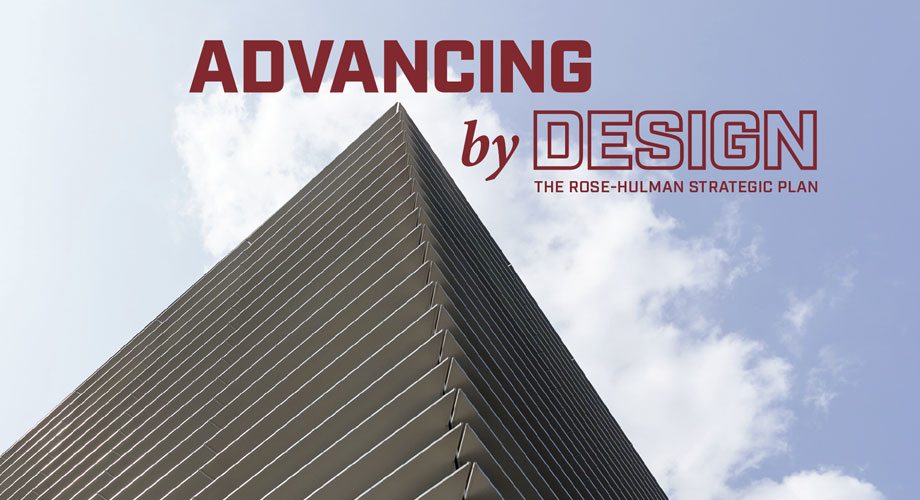
Strategic Plan RoseHulman
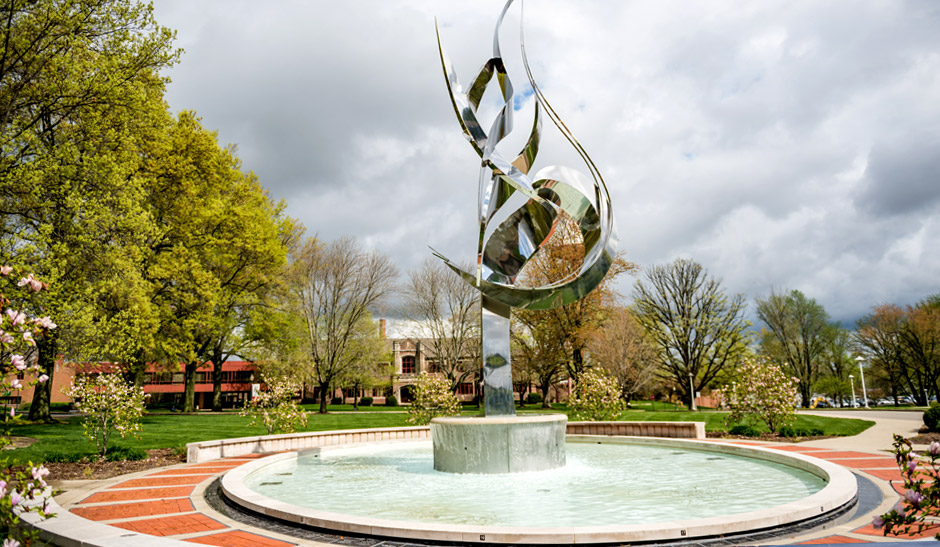
Visit RoseHulman RoseHulman
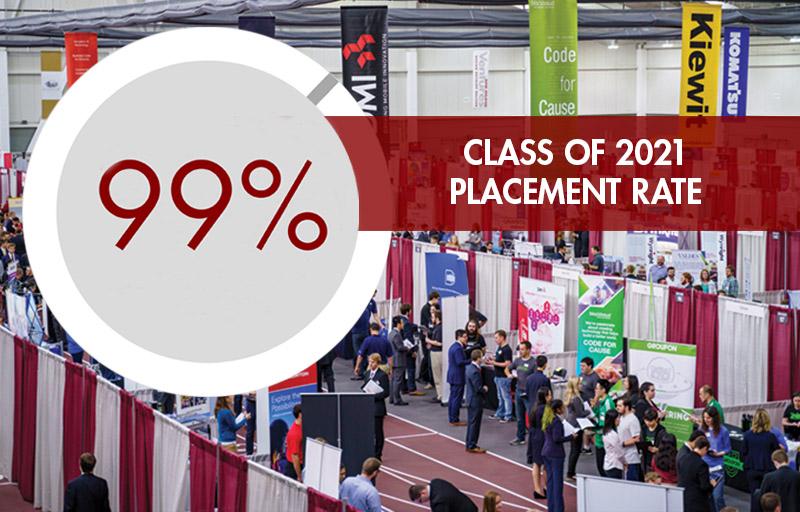
RoseHulman Institute of Technology

Building A Legacy RoseHulman's Engineers Without Borders Chapter
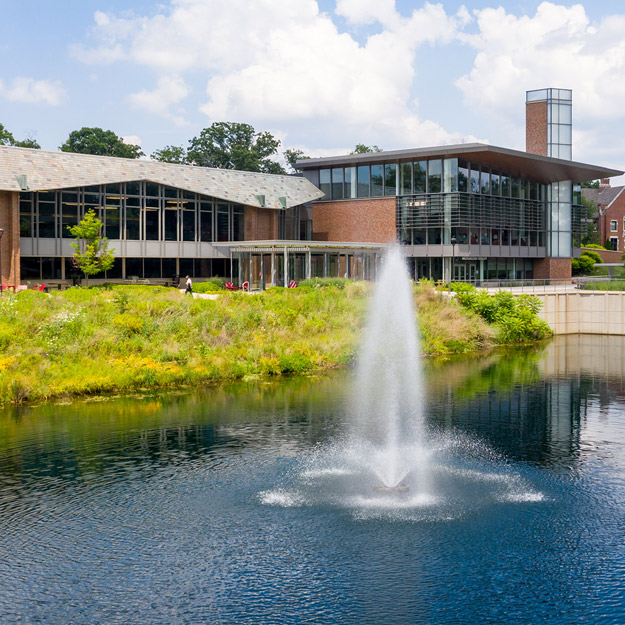
RoseHulman Institute of Technology
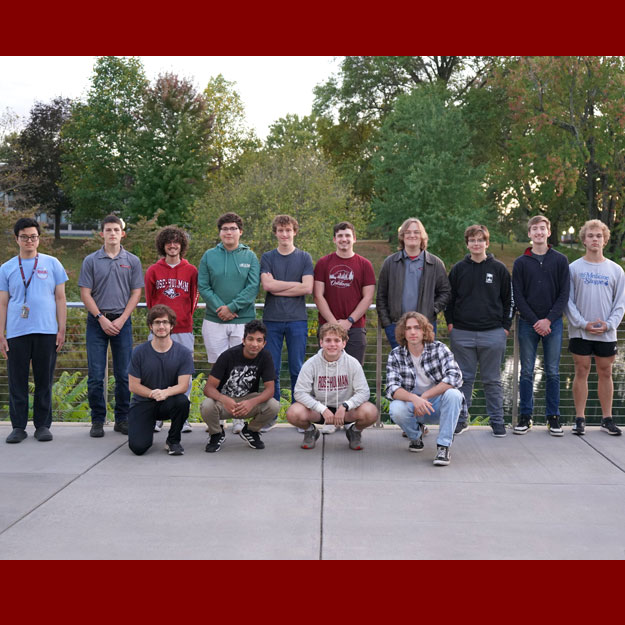
Mechanical Engineering Academic Departments RoseHulman RoseHulman
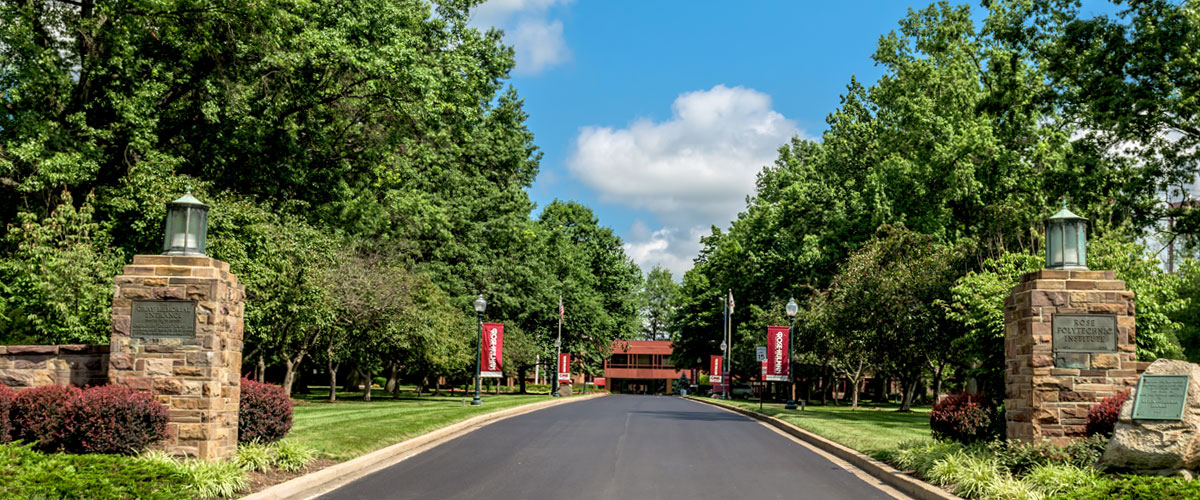
About Us RoseHulman
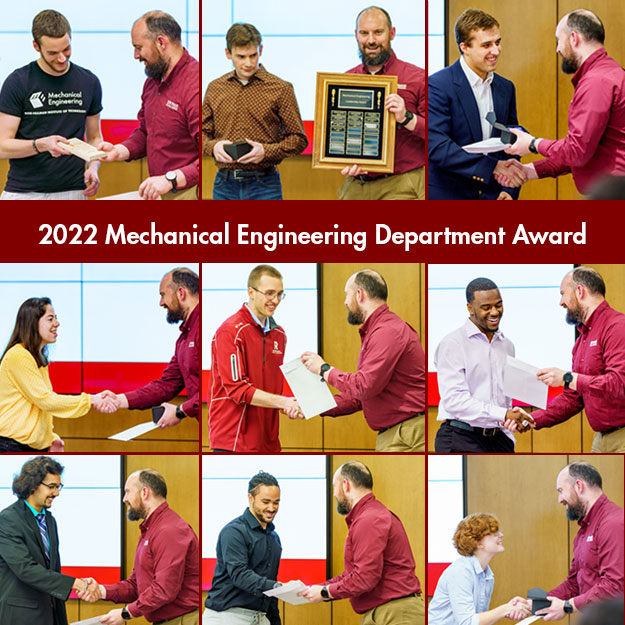
Mechanical Engineering Academic Departments RoseHulman RoseHulman
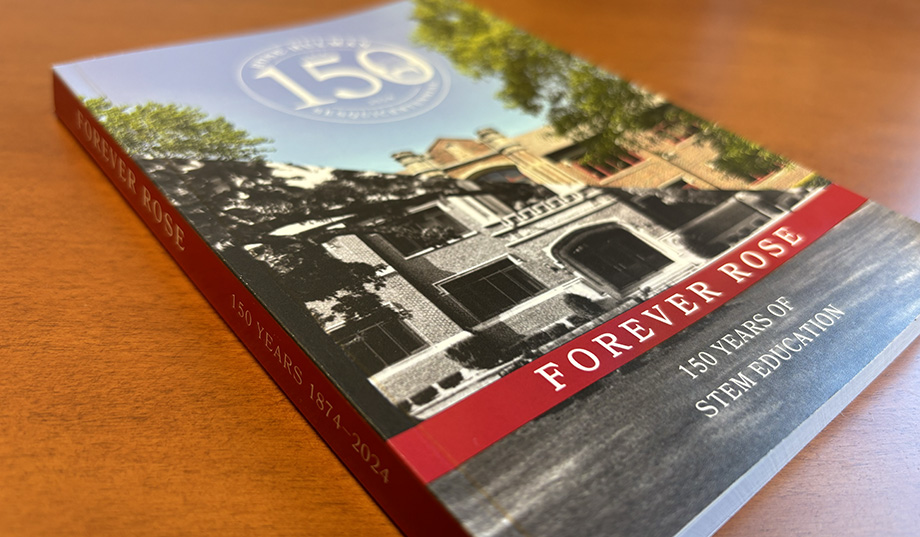
150 Years RoseHulman

Everything you need to know about Rose Hulman Institute of Technology
Me422 Intro To Finite Element Fundamentals;
Quantum Theory Is Introduced In Relation To Chemical Applications.
Em121 Statics And Mechanics Of Materials I;
Es202 Thermal & Fluid Systems;
Related Post: