
Usgs Earthquake Catalog
Usgs Earthquake Catalog - Expand advanced options and fill in the circle fields. Search earthquake catalog time zone. Hypocenters, magnitudes, phase picks and amplitudes) and other products (e.g. The anss comprehensive earthquake catalog (comcat) contains earthquake source parameters (e.g. Geological survey for making earthquake catalogs for seismic hazard analysis and review the status of the catalogs for the conterminous united states. Use the earthquake catalog search to find earthquakes within a certain distance of any location. The anss comprehensive earthquake catalog (comcat) contains earthquake source parameters (e.g. Moment tensor solutions, macroseismic information, tectonic summaries, maps) produced by contributing seismic networks. (creepmeters, tiltmeters, strainmeters, magnetometers, pore pressure monitors). Usgs earthquake hazards program, responsible for monitoring, reporting, and researching earthquakes and earthquake hazards Expand advanced options and fill in the circle fields. Earthquake catalog for estimation of maximum earthquake magnitude, central and eastern united states: We describe a methodology that has been developed at the u.s. Display event dates and times using this time zone. Hypocenters, magnitudes, phase picks and amplitudes) and other products (e.g. (creepmeters, tiltmeters, strainmeters, magnetometers, pore pressure monitors). Moment tensor solutions, macroseismic information, tectonic summaries, maps) produced by contributing seismic networks. Find recent or historic earthquakes, lists, information on selected significant earthquakes, earthquake resources by state, or find webservices. Use the earthquake catalog search to find earthquakes within a certain distance of any location. Hypocenters, magnitudes, phase picks and amplitudes) and other products (e.g. Currently to make geodetic observations the usgs uses the global positioning system (gps) and also other techniques. (creepmeters, tiltmeters, strainmeters, magnetometers, pore pressure monitors). The anss comprehensive earthquake catalog (comcat) contains earthquake source parameters (e.g. Display event dates and times using this time zone. Use the earthquake catalog search to find earthquakes within a certain distance of any location. Hypocenters, magnitudes, phase picks and amplitudes) and other products (e.g. Search earthquake catalog time zone. Hypocenters, magnitudes, phase picks and amplitudes) and other products (e.g. Moment tensor solutions, macroseismic information, tectonic summaries, maps) produced by contributing seismic networks. A new catalog is assembled from several pre‐existing catalogs. The anss comprehensive earthquake catalog (comcat) contains earthquake source parameters (e.g. We describe a methodology that has been developed at the u.s. Display event dates and times using this time zone. A new catalog is assembled from several pre‐existing catalogs. Search earthquake catalog time zone. Find recent or historic earthquakes, lists, information on selected significant earthquakes, earthquake resources by state, or find webservices. (creepmeters, tiltmeters, strainmeters, magnetometers, pore pressure monitors). Display event dates and times using this time zone. Hypocenters, magnitudes, phase picks and amplitudes) and other products (e.g. We describe a methodology that has been developed at the u.s. Hypocenters, magnitudes, phase picks and amplitudes) and other products (e.g. Currently to make geodetic observations the usgs uses the global positioning system (gps) and also other techniques. Expand advanced options and fill in the circle fields. Earthquake catalog for estimation of maximum earthquake magnitude, central and eastern united states: Hypocenters, magnitudes, phase picks and amplitudes) and other products (e.g. Hypocenters, magnitudes, phase picks and amplitudes) and other products (e.g. Use the earthquake catalog search to find earthquakes within a certain distance of any location. Moment tensor solutions, macroseismic information, tectonic summaries, maps) produced by contributing seismic networks. (creepmeters, tiltmeters, strainmeters, magnetometers, pore pressure monitors). Currently to make geodetic observations the usgs uses the global positioning system (gps) and also. Display event dates and times using this time zone. The anss comprehensive earthquake catalog (comcat) contains earthquake source parameters (e.g. Earthquake catalog for estimation of maximum earthquake magnitude, central and eastern united states: Usgs earthquake hazards program, responsible for monitoring, reporting, and researching earthquakes and earthquake hazards Search earthquake catalog time zone. Moment tensor solutions, macroseismic information, tectonic summaries, maps) produced by contributing seismic networks. (creepmeters, tiltmeters, strainmeters, magnetometers, pore pressure monitors). We describe a methodology that has been developed at the u.s. Search earthquake catalog time zone. Find recent or historic earthquakes, lists, information on selected significant earthquakes, earthquake resources by state, or find webservices. Usgs earthquake hazards program, responsible for monitoring, reporting, and researching earthquakes and earthquake hazards Moment tensor solutions, macroseismic information, tectonic summaries, maps) produced by contributing seismic networks. The anss comprehensive earthquake catalog (comcat) contains earthquake source parameters (e.g. A new catalog is assembled from several pre‐existing catalogs. (creepmeters, tiltmeters, strainmeters, magnetometers, pore pressure monitors). Hypocenters, magnitudes, phase picks and amplitudes) and other products (e.g. Expand advanced options and fill in the circle fields. Use the earthquake catalog search to find earthquakes within a certain distance of any location. Earthquake catalog for estimation of maximum earthquake magnitude, central and eastern united states: Moment tensor solutions, macroseismic information, tectonic summaries, maps) produced by contributing seismic networks. Find recent or historic earthquakes, lists, information on selected significant earthquakes, earthquake resources by state, or find webservices. (creepmeters, tiltmeters, strainmeters, magnetometers, pore pressure monitors). Display event dates and times using this time zone. Search earthquake catalog time zone. Geological survey for making earthquake catalogs for seismic hazard analysis and review the status of the catalogs for the conterminous united states. Use the earthquake catalog search to find earthquakes within a certain distance of any location. Hypocenters, magnitudes, phase picks and amplitudes) and other products (e.g. Moment tensor solutions, macroseismic information, tectonic summaries, maps) produced by contributing seismic networks. Usgs earthquake hazards program, responsible for monitoring, reporting, and researching earthquakes and earthquake hazards Hypocenters, magnitudes, phase picks and amplitudes) and other products (e.g. Earthquake catalog for estimation of maximum earthquake magnitude, central and eastern united states: Expand advanced options and fill in the circle fields. We describe a methodology that has been developed at the u.s. Currently to make geodetic observations the usgs uses the global positioning system (gps) and also other techniques.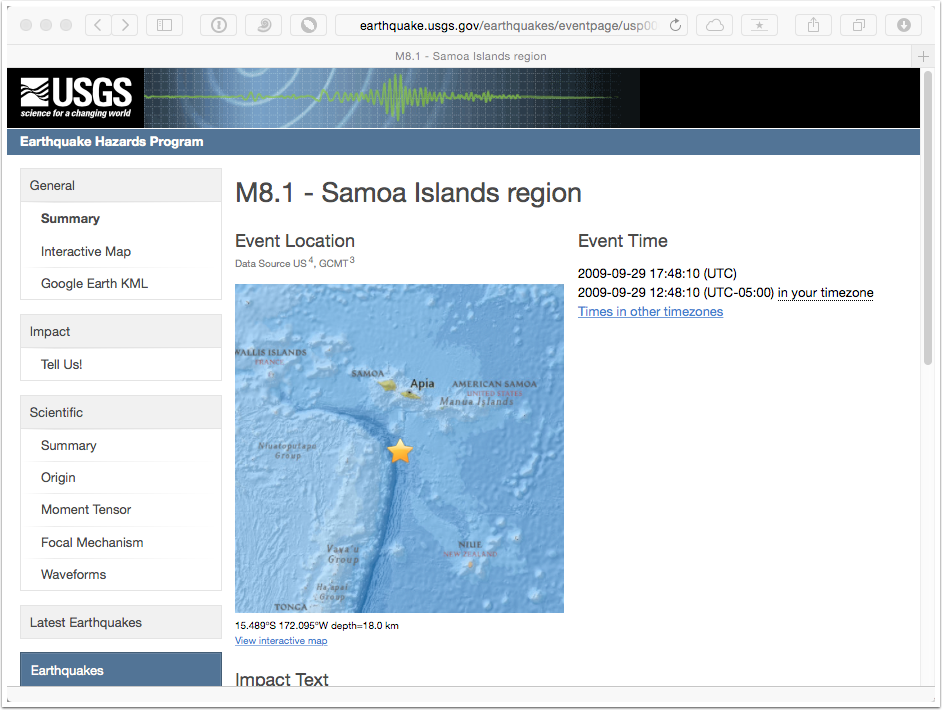
Search the USGS Earthquake Catalog
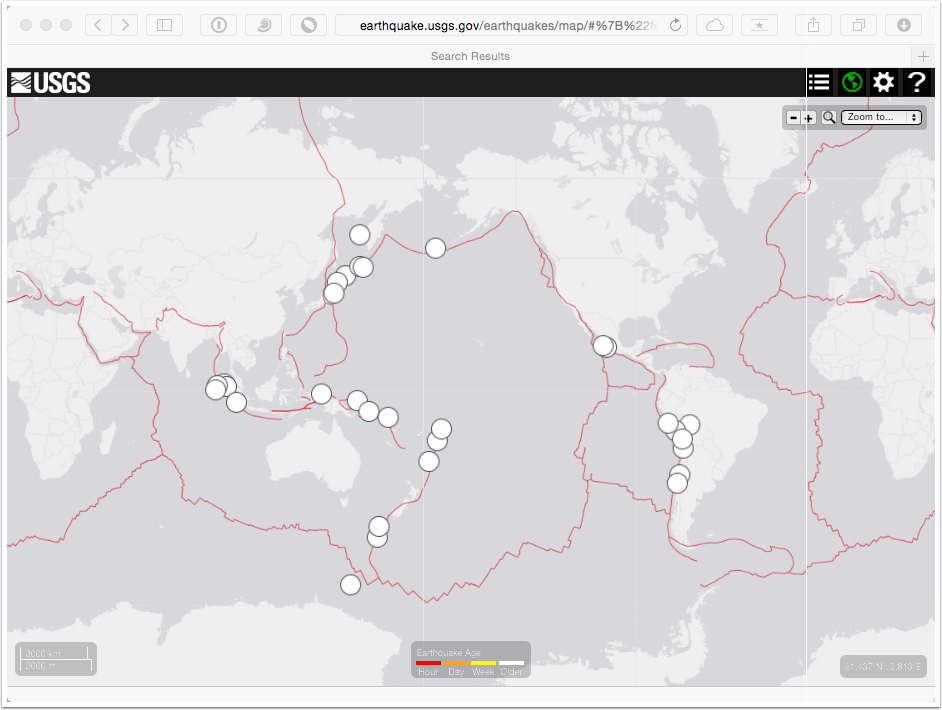
Search the USGS Earthquake Catalog

Seismic data from https//earthquake.usgs.gov/data/centennial

United States Geological Survey (USGS) Earthquake Catalogue APDIM

Fig. S1 . Regional historical seismicity maps (a) USGS/NEIC catalog

12 U.S.G.S. Earthquake catalog of 2010 (a) Magnitude and date of M ≥ 5
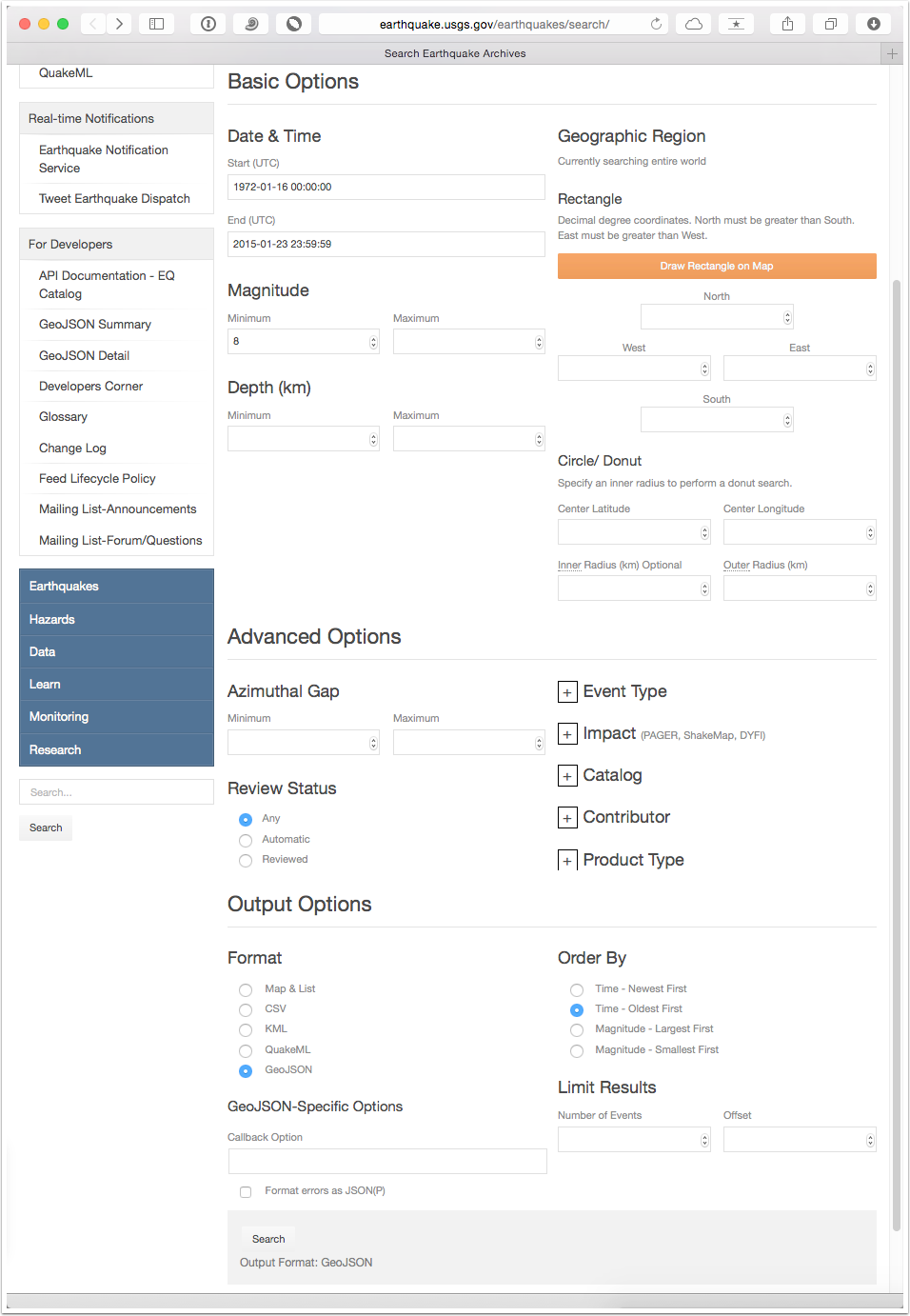
Search the USGS Earthquake Catalog

CEUS Seismicity for earthquakes Mw >=2.5 since 1700. USGS 2014 Seismic
Map of the study area. The red star represents the location of the
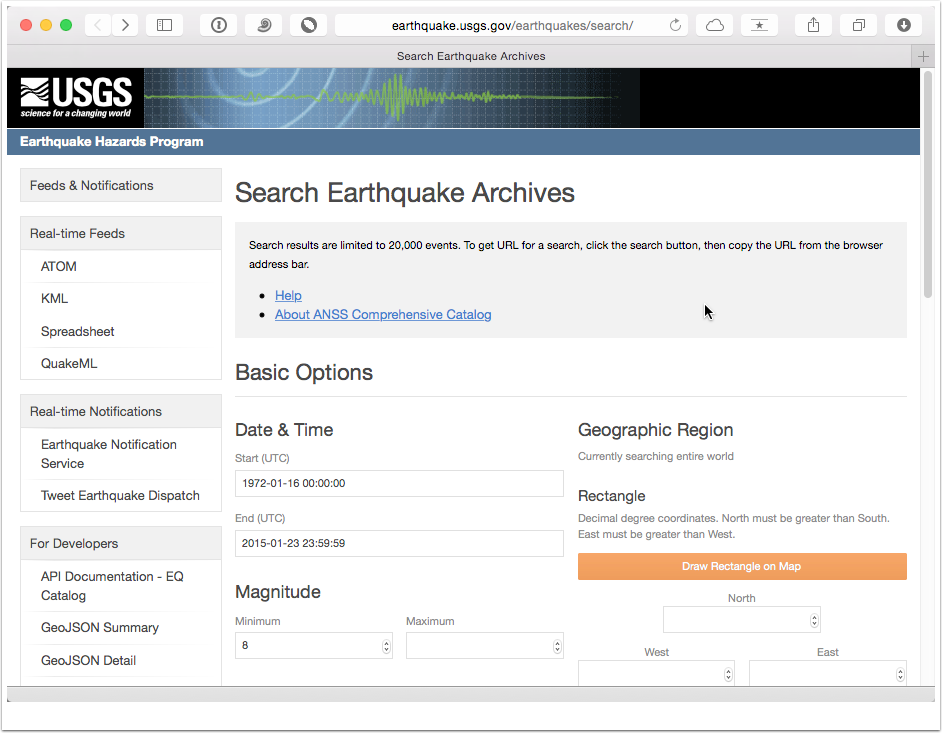
Search the USGS Earthquake Catalog
A New Catalog Is Assembled From Several Pre‐Existing Catalogs.
The Anss Comprehensive Earthquake Catalog (Comcat) Contains Earthquake Source Parameters (E.g.
The Anss Comprehensive Earthquake Catalog (Comcat) Contains Earthquake Source Parameters (E.g.
Moment Tensor Solutions, Macroseismic Information, Tectonic Summaries, Maps) Produced By Contributing Seismic Networks.
Related Post: