
What Is A Library Catalogue
What Is A Library Catalogue - Your school library catalogue is the access point between your library users and your library collection. A library catalogue tells you what books you have in your library and where to find them. A library catalog is a listing of all the items within a library, including books, dvds, periodicals, and more. The online, searchable list of books and journals owned by the library; On june 27, 2025, we’re launching primo, a faster, simpler way to search, borrow, and explore library resources.this new platform replaces the older systems you may have used before: If you are looking for primary sources on a specific topic. Libraries offer services to the members of their community. A library catalogue is a systematic and organized database that lists all the materials held by a library, including books, journals, articles, multimedia resources, and electronic materials. A library catalogue is a list of materials owned by a library or group of libraries, which provides users with information about the resources available to them. A library catalog is a searchable database that: Depending on the library, the description of items may be brief or very detailed. The process by which an article in an academic (scholarly) journal is read, corrected and either approved or rejected by respected scholars in a relevant field. This principal index or list of available materials is called a catalogue. Most library catalogues are arranged in alphabetical order. What is a library catalogue? It also indicates where each item is located in the collection. What is a library catalog? The online, searchable list of books and journals owned by the library; In the digital age, library catalogs are now available online, allowing users to search for materials by author, title, subject, identification number, or keyword. With the catalog, you can: Let us now know what a library catalogue is. If you are interesting in the writings of a specific individual, just do an author search. It serves as a key tool for library users and staff, providing a means to access, search, and manage library resources efficiently. Contains information about the items (books, cds, dvds, government reports, etc.) that the. Most library catalogues are arranged in alphabetical order. On june 27, 2025, we’re launching primo, a faster, simpler way to search, borrow, and explore library resources.this new platform replaces the older systems you may have used before: A library catalogue is an essential tool in any library, allowing users to efficiently search for and locate materials within the library’s collection.. A library catalogue is an essential tool for organizing, managing, and locating library resources. A library catalogue tells you what books you have in your library and where to find them. It consists of a series of index cards, with each card containing bibliographic information about a specific item in the library. In the digital age, library catalogs are now. Cataloguing in libraries is a fundamental process that involves systematically organizing and detailing library materials to facilitate easy access and efficient management. Your school library catalogue is the access point between your library users and your library collection. The familysearch catalog is a comprehensive resource that lists items in familysearch‘s physical and digital collections. Contains information about the items (books,. A catalog can be compared with the index of a book. Primary sources in the library catalog: The items described in the catalog might be searchable online or available for use in person at the familysearch library or at a local familysearch center. Your school library catalogue is the access point between your library users and your library collection. The. Moreover, these catalogs furnish valuable information regarding the availability, location, and status of each item within the library. What is a library catalogue? A library catalog is a searchable database that: It serves as a systematic method for retrieving information about books, journals, electronic resources, and other materials within a library. They frequently have an explicit mission. Cataloging, traditionally, has been seen as comprising two specific activities: The online, searchable list of books and journals owned by the library; On june 27, 2025, we’re launching primo, a faster, simpler way to search, borrow, and explore library resources.this new platform replaces the older systems you may have used before: Broadly, libraries exist as part of and in service. Library catalogues include metadata about the items in your library collection, both physical and digital, that allows library users to perform search and find resources relevant to their information needs. Bunch library’s catalog—books, ebooks, databases, and research tools to support your academic success and lifelong learning. A catalog for a group of libraries is also called a union catalog. A. Your school library catalogue is the access point between your library users and your library collection. Most library catalogues are arranged in alphabetical order. Moreover, these catalogs furnish valuable information regarding the availability, location, and status of each item within the library. It serves as a systematic method for retrieving information about books, journals, electronic resources, and other materials within. Broadly speaking, library catalogue means a list of books and other graphic materials of a particular library arranged in a helpful order for location and identification of material catalogued in the library. Its importance lies in enhancing the discoverability and usability of a library’s collection, allowing users to find and utilize the resources they need quickly. Descriptive cataloging and subject. Let us now know what a library catalogue is. Primary sources in the library catalog: A library catalog (or library catalogue) is a register of all bibliographic items found in a particular library or group of libraries, such as those belonging to a university system spread out over several geographic locations. Moreover, these catalogs furnish valuable information regarding the availability, location, and status of each item within the library. Libraries offer services to the members of their community. You can use the library online catalog, (the search box on the library home page), to find published primary sources or books including primary documents. Descriptive cataloging and subject cataloging. Accepts searches for title, author, subject, or other keywords. With the catalog, you can: It serves as the primary tool through which library users can search for and access resources within the library’s collection. Libraries form an important part of the public service infrastructure. A library catalogue is an essential tool for organizing, managing, and locating library resources. Cataloging, traditionally, has been seen as comprising two specific activities: A library catalog is a listing of all the items within a library, including books, dvds, periodicals, and more. What is a library card catalogue? Bunch library’s catalog—books, ebooks, databases, and research tools to support your academic success and lifelong learning.
What Is Library Catalogue System at Indiana Brownless blog

Catalogue and Cataloguing LIBRARY AND INFORMATION SCIENCE
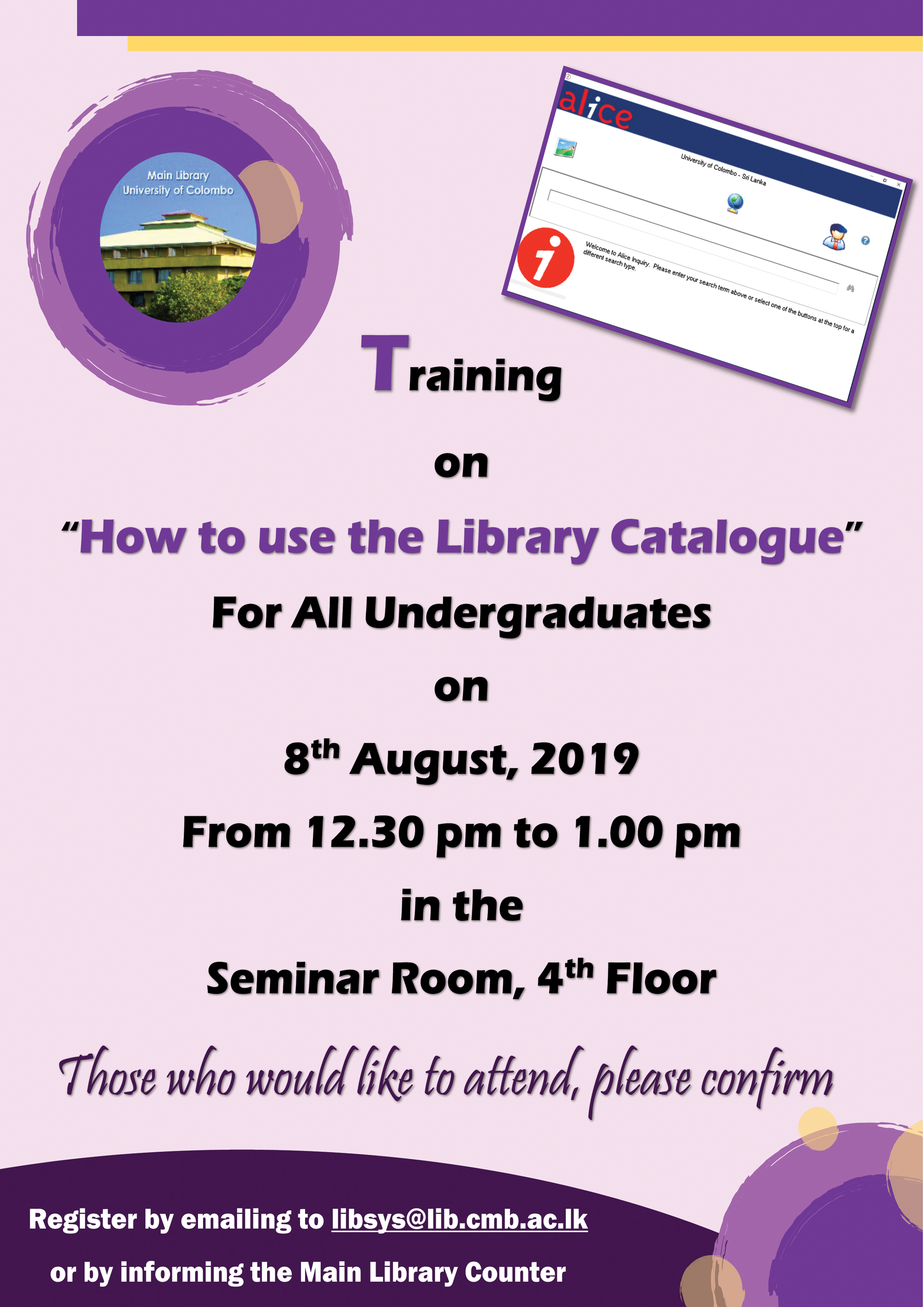
Training on “How to use the Library Catalogue”‘ Faculty of Law

Library Catalog Choosing and Using Sources

Searching the Catalog How to Find Resources in the Library
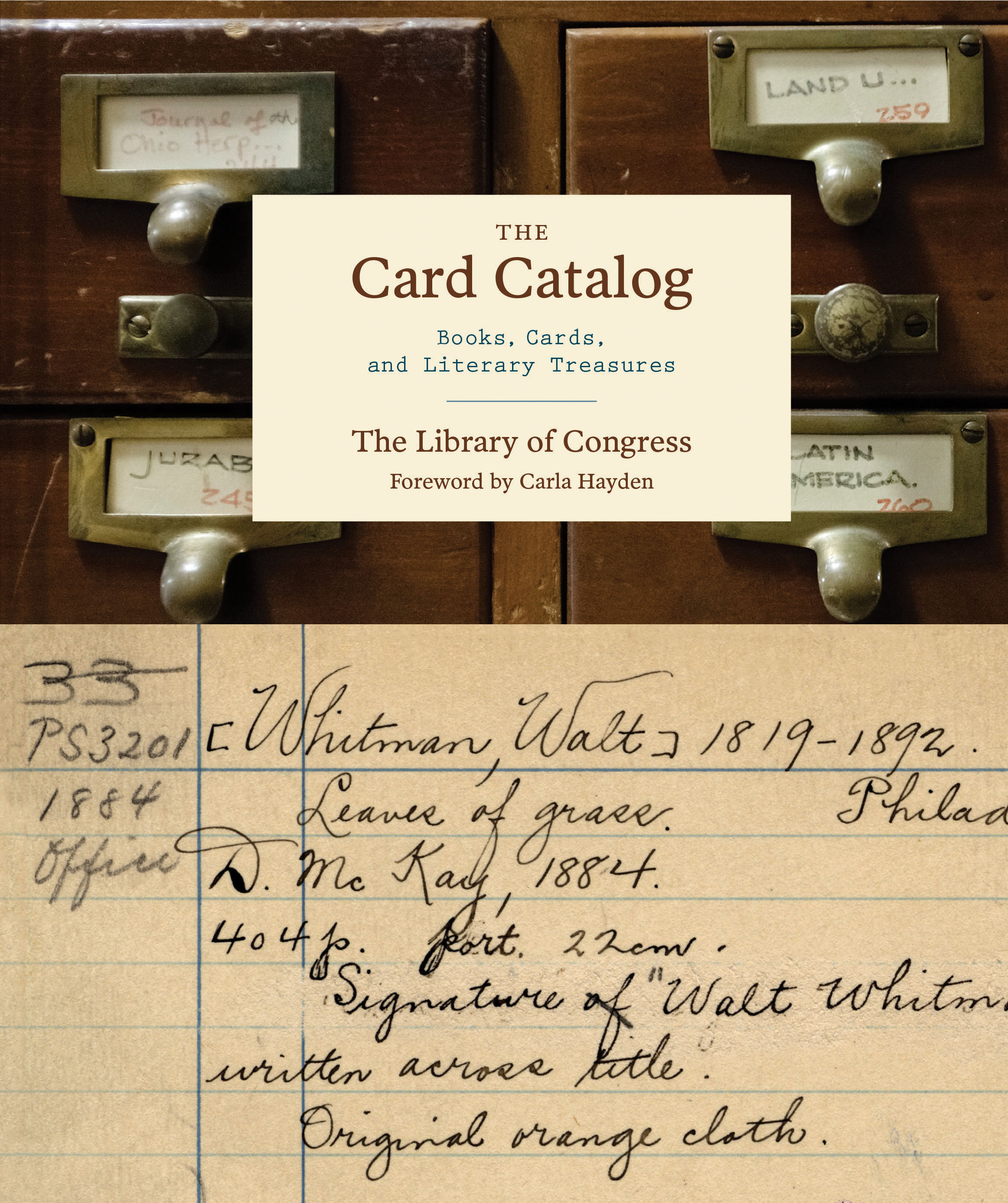
National Library Week The Story of the First Card Catalog Time
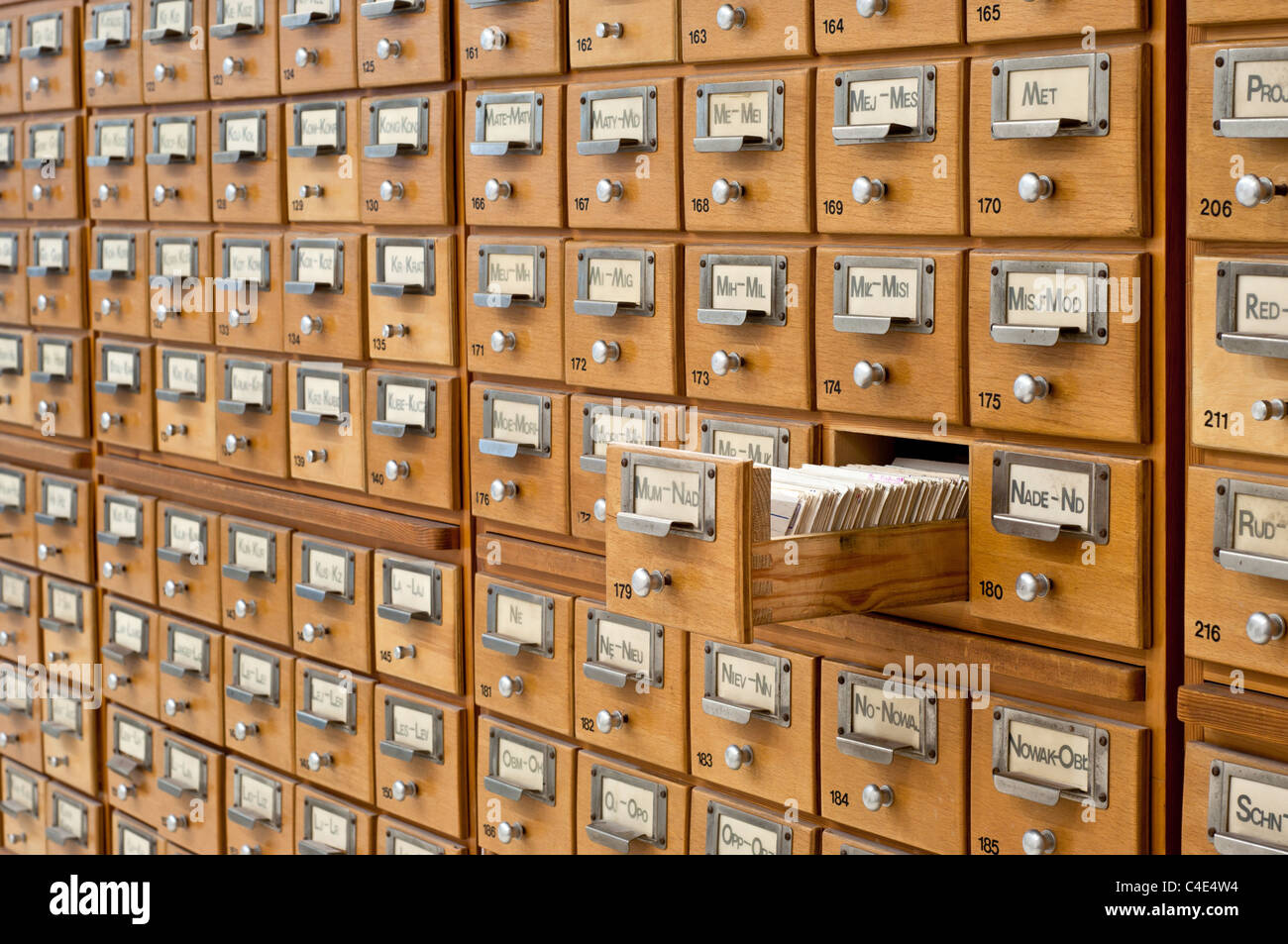
Onfife Library Catalogue
Library catalog

What Is Library Catalogue System at Indiana Brownless blog

Library catalog meaning of LIBRARY CATALOG YouTube
What Is A Library Catalogue?
The Catalogue Provides Users With Detailed Bibliographic And Availability Information, Ensuring Easy.
In Order To Provide Access To The Holdings Of A Library, An Index Or List Of Available Materials In The Collection Must Be Maintained.
A Library Catalogue Is A Systematic And Organized Database That Lists All The Materials Held By A Library, Including Books, Journals, Articles, Multimedia Resources, And Electronic Materials.
Related Post: